
Threads of Life in a Living Pattern
Tracing how invisible codes within every cell reveal the shared story and endless diversity of humanity
The discovery of the hidden script
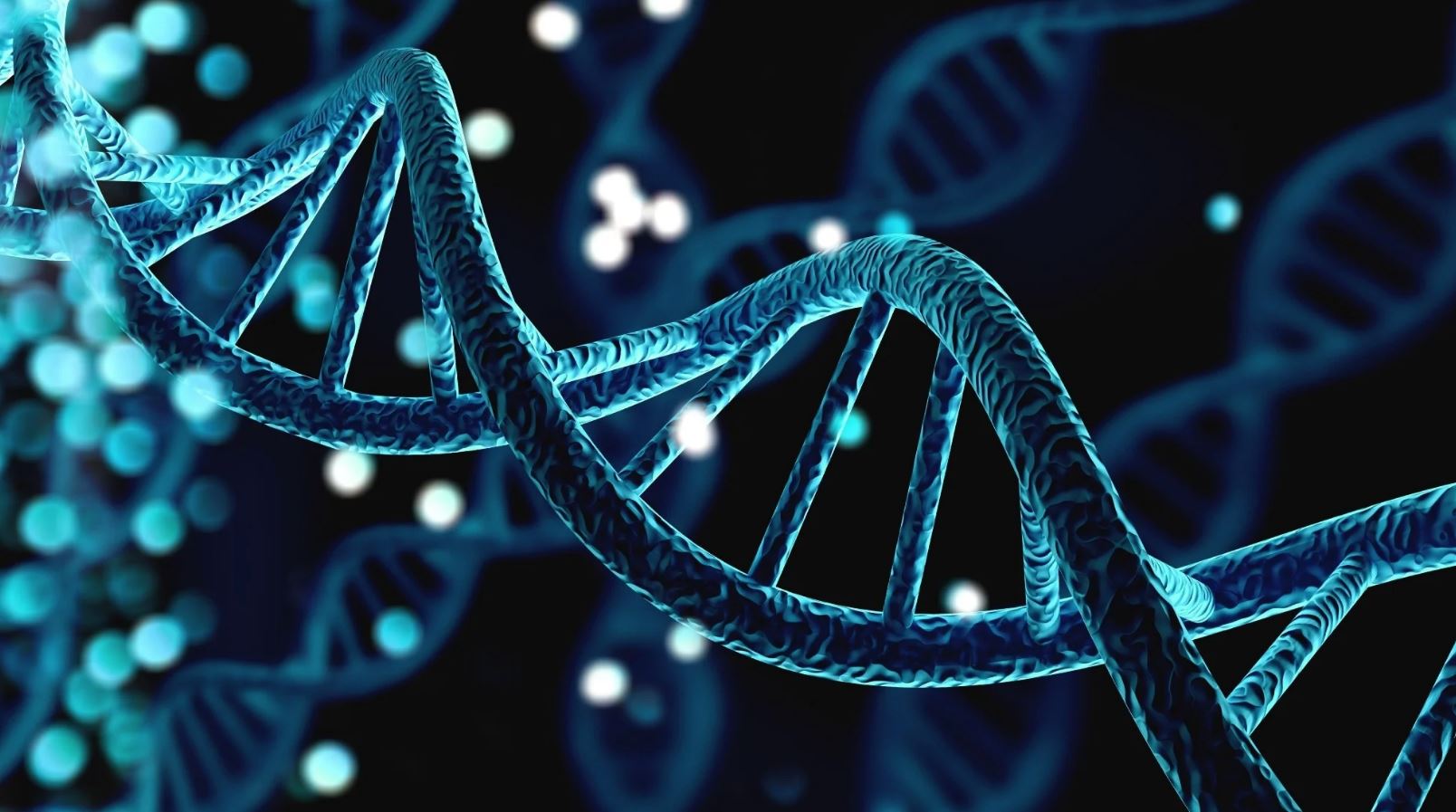
Every living being carries a silent manuscript written in the alphabet of four letters. Long before the double helix was glimpsed, humans had already suspected that something intangible carried resemblance through generations. Farmers noticed how wheat bred with wheat to improve yield, and families saw the same eyes, the same dimples, and the same resilience echo through children. Yet it was not until the twentieth century that the molecule itself revealed its spiral. When scientists uncovered the structure of DNA, they saw more than chemistry. They saw the architecture of memory. Two ribbons twisted together, each step composed of paired bases that mirror each other in precision. Within this helix resides instruction, order, and possibility. A cell divides, and the code divides with it, ensuring continuity with room for transformation. The genome of a single person stretches across billions of characters, yet the grammar is shared among all life on earth. In this realization, the boundary between species softened, and the study of human genetics began not as an exploration of difference but as a recognition of kinship that includes every creature that breathes, crawls, or blooms.
The architecture of inheritance
The human body arises from a symphony of instructions that unfold through time. Genes do not operate alone. They converse, cooperate, and sometimes contradict. Each gene is a fragment of the vast composition that builds structure from simplicity. Within every nucleus, chromosomes carry paired versions of these genes, one from each parent. The combination determines not just visible traits like height or hair color but deeper patterns of metabolism, immunity, and even temperament. Yet inheritance is not a strict script. Genes can express differently depending on environment and circumstance. The same sequence might produce distinct outcomes in differing climates or diets. This dynamic interaction is the foundation of adaptation, the mechanism by which populations adjust without conscious design. Genetic inheritance preserves stability but invites variation. Mutations, often subtle, introduce novelty into the chain, and across generations these changes accumulate into evolution. In the double weave of heredity and environment lies the story of individuality. Every person carries both repetition and deviation, both echo and improvisation, within the song of ancestry that plays through cells and across time.
The map of origins written in cells
Inside every human lies evidence of ancient migrations. Mitochondrial DNA, passed from mothers to offspring, acts as a record of maternal descent stretching back to the dawn of our species. Similarly, the Y chromosome traces paternal lineage across continents and centuries. These molecular paths have allowed geneticists to reconstruct humanity’s journey from Africa to every corner of the globe. Variations that once emerged as adaptations to local environments became markers of migration. A sequence shaped by high altitude reveals the legacy of mountain dwellers. A gene that defends against malaria testifies to life in the tropics. The genome therefore functions as a cartographer, charting the movements of ancestors long before written history. Studies of ancient remains add texture to this portrait. Fragments of bone yield fragments of DNA that bridge time, linking modern populations to forgotten kin. The more data collected, the clearer it becomes that humanity has never been static. Our bloodlines overlap and merge like rivers feeding into a single sea. Borders and nations appear young compared to the genetic continuum that binds humanity into one intricate pattern woven from countless voyages of survival and curiosity.
The quiet influence of epigenetic memory
Beyond the DNA sequence itself lies another dimension of inheritance. Epigenetics explores how experiences leave chemical marks that affect gene activity without altering the code. Stress, nutrition, and environment can modify how tightly DNA winds around proteins, thereby influencing which genes awaken and which rest. These molecular adjustments can persist across generations, suggesting that life remembers more than sequence alone. A famine endured by grandparents may alter metabolism in their descendants. Exposure to toxins or trauma can ripple through family lines not by rewriting genes but by changing how they are read. This discovery reshapes the understanding of evolution, showing that adaptation operates on shorter time scales than mutation alone. Epigenetics unites biology and biography, proving that the body records experience as faithfully as it records ancestry. It blurs the old boundary between nature and nurture, revealing that nurture itself can imprint nature. The genome is no longer a static archive but a responsive text, revised continually by the lives it sustains. In every generation, this quiet dialogue between past and present writes new possibilities into the margins of the human story.
The shared code of health and vulnerability
Genetic research has unveiled both the promise and peril of human diversity. Certain genes confer resistance to disease, while others carry risks. The same variation that grants advantage in one environment can create vulnerability in another. For instance, the mutation that protects against malaria can cause sickle cell anemia when inherited from both parents. Such paradoxes illustrate the trade-offs that evolution never resolves but constantly negotiates. Modern medicine has begun decoding these patterns, identifying how subtle differences influence response to drugs, susceptibility to cancer, and resilience to infection. Yet the knowledge carries ethical weight. The power to predict disease before symptoms arise raises questions about privacy, inequality, and discrimination. How society chooses to use genetic information will determine whether it heals division or deepens it. The study of health through genetics reminds humanity that variation is not defect but resource. Diversity within DNA provides the resilience that allows species to survive catastrophe. To cherish that variation is to honor the mechanism that made humanity possible at all. Within the fragile strands of inheritance lies a balance between vulnerability and endurance that defines what it means to be alive.
The weaving of ancestry and identity
As genetic testing becomes accessible, people search their code for belonging. The results often surprise, revealing mixtures of lineage that defy expectation. A person raised with one heritage may discover traces of many others, blurring distinctions that once felt absolute. This revelation can be unsettling or liberating. It forces reconsideration of what identity means when the boundaries between groups dissolve under the microscope. Yet DNA alone cannot define selfhood. Culture, language, and memory shape identity as much as molecules. The genome tells where ancestors traveled, but not what they believed, loved, or built. Still, genetic awareness expands empathy. It shows that everyone carries fragments of everyone else. Populations once thought separate share ancient connections. No person is genetically pure, and no people exist without contribution from others. The understanding of shared ancestry dismantles prejudice by grounding equality in biology itself. Beneath skin tone, accent, and tradition lies a code that repeats with astonishing similarity from one person to the next. The realization that the same pattern animates all humans turns science into a quiet moral revelation. It tells a truth older than history: that humanity’s divisions are cultural inventions, not biological destinies.
The emerging dialogue between genetics and future design
As technology advances, humanity faces the power to edit its own blueprint. Tools like CRISPR allow precise modification of genes, opening possibilities to cure hereditary disease or enhance certain traits. Yet each potential cure carries moral gravity. To alter the germline is to reshape not just one life but all descendants. The debate surrounding such power reflects an ancient tension between creation and control. The ability to repair the genome promises freedom from suffering but risks arrogance that forgets the complexity of life’s balance. Evolution is a network of interdependence, and every alteration ripples through unseen systems. Comparative studies show that even minor genetic shifts can affect ecosystems of microbes and immune responses. The future of genetic engineering will depend less on capability than on wisdom. Society must learn to ask not only what can be done but what should be done. Genetics offers humanity the tools of creation, but it does not provide the ethics to guide their use. That responsibility remains collective. The genome may be universal, but the conscience that governs it must be shared through education, dialogue, and humility.
The enduring mystery within the code
Despite the achievements of modern genetics, the greater part of the genome remains unexplored. Vast stretches once dismissed as noncoding now reveal subtle regulatory roles that orchestrate development, immunity, and cognition. The complexity defies any simple metaphor. The genome is not a machine to be disassembled, nor a book to be read once and understood. It is a living symphony of interaction, improvising endlessly within the constraints of chemistry and time. Each cell performs its part, guided by cues both internal and environmental, maintaining the organism as a coherent whole. Human genetics continues to reveal that life thrives through connection rather than isolation. Every gene depends on others, every system adapts through collaboration. Even mutations that seem harmful can spark adaptation generations later. The code is not destiny but dialogue. It records not only what humanity has been but what it might still become. To study genetics is to glimpse the continuity of existence itself, a pattern so intricate that comprehension remains partial yet profound. Within every nucleus, the same story continues to write itself, line by line, across the boundless fabric of life.