

Stone Breath and the Memory of Cities
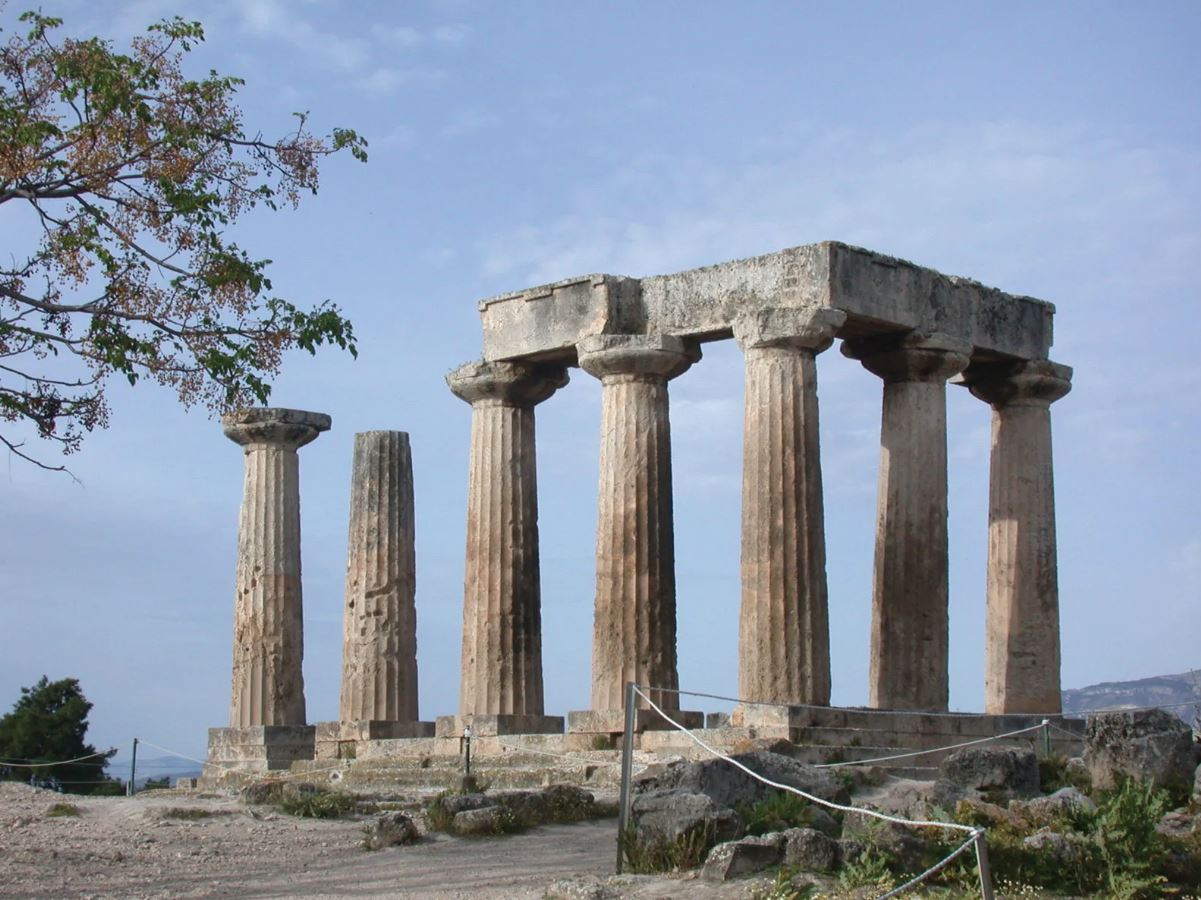
Early builders shaped climate, ritual, and daily work into forms that still instruct the present
Foundations that listened to the earth
Early builders began with soil and sky as the first partners, and their craft matured by reading the ground with patience. Workers tamped test pits and listened to the answer of clay, since a sharp ring meant confidence and a dull thud hinted at pockets that would betray a floor. They cut away roots that rot and invite settlement, then laid trenches to carry water toward orchards rather than under sleeping mats. In floodplains they raised platforms of compacted earth, a layered geometry carried basket by basket, so that the season of swollen rivers could lift boats to doorways without drowning the pantry. On rock they traced ledges that could carry weight without slipping, and they packed chinking stone into crevices so frost would not pry walls apart. Foundations learned to float on reed mats where marsh met town, while in deserts builders used gravel pads that broke capillary rise and kept salts from climbing into brick. Surveyors sighted along cords pulled tight between pegs, and they checked square by folding a rope into three four five triangles that never lied. Before any wall rose, the site became a notebook of small decisions. Where livestock pressed soil to hardpan, pavements spread the force so hooves could not chew the yard into mud. Where hills offered slope, terraces cut the hillside into steps that invited gardens and protected roofs below from falling stones. Foundations were not simply the start of buildings. They were the first treaties between intention and ground, the negotiated base that allowed every later promise of shelter, market, and sanctuary to hold steady through seasons of heat, frost, and sudden rain.
Walls that breathe and carry
Wall making varied with climate, yet every method balanced strength, breath, and time to match a household rhythm. Rammed earth crews lifted shutters and pounded moistened soil in thin lifts, adding straw for tensile grace and lime for a slow petrification that tightened each layer. When forms came away the wall wore the memory of every strike like the rings of a tree, and a quick wash of lime reflected summer heat back into the alley. Wattle and daub wove pliant branches with clay so air could move and smoke could wander without biting eyes, a strategy that turned huts into instruments for cooling nights. Sun dried brick promised speed where clay was generous and fuel scarce, while cut stone served where quarries lay near and storms demanded permanence. Mortars from burned limestone learned to breathe with walls, wicking moisture outward rather than trapping it, and masons tooled joints so water would hesitate before it crept. Where timber length limited height, corbels pushed courses inward so towers could rise without iron, and where earthquakes prowled, builders stitched walls with timber laces that let masonry sway without surrender. Openings remained small on hard weather sides so that winter winds could not bully the fire, yet inner courts were generous, accepting light with gratitude. A good wall was never a blank. It stored the day like a clay jar that gives back cool at noon and warmth after dusk, it kept a conversation with the air, and it welcomed repair as a normal chapter of its long life rather than as a sign of failure.
Roofs that tutored rain and sky
Above every room a roof served as a treaty between shelter and sky, and the treaty changed with marsh, forest, and hill. In reed country thatch rose steep and thick so rain would hurry away, and careful lashing kept the mat tight against winds that prowled river mouths. Forest peoples split straight grain into shingles that nested like fish scales, each course overlapping the last to confuse water until it gave up the chase. In hotter cities tiles of fired clay smiled in shallow arcs, shading themselves and slowing heat, while the rhythm of their laps guided runoff into rills that sang during storms. In mountains, weight spoke with authority, so stone slabs lay heavy on rafters and snow slid from slopes that showed no mercy to careless pitch. Where spans grew bold, trussed frames arrived, with rafters tied by collars and purlins that steadied the climb toward ridge. At the roof edge, eaves stretched far enough to shield earthen walls from splash, and gutters tucked under tiles carried water into jars that waited for dry weeks. Smoke found its way through vents that avoided drafts, and clay chimneys learned to rise beside gable ends so sparks would not rehearse disaster upon thatch. A roof failed only once, so families watched it like a living elder. They brushed moss, replaced lashings, and listened after heavy rain, because a drop on a sleeping mat was a sentence that demanded instant edit.
Openings that married inside to world
Openings governed how a building spoke to the street, and the oldest designers treated them as lines of syntax rather than careless gaps. A doorway set square to a lane invited neighbors into conversation, strengthening watchfulness and trade, while a doorway tucked at an angle protected quiet and turned arrival into a small ceremony of turning and pause. Early spans began with timber lintels, yet as ambition grew taller the corbel learned to step stones inward until a narrow throat accepted a flat cap. From there the true arch appeared, a ring of blocks that leaned into one another with mutual trust, and arches knit into vaults that brought the sky indoors. Windows migrated upward to harvest cooler air and to discourage intruders, then multiplied along markets where merchants wanted goods to speak in daylight. Shutters in wood allowed night to close like a gentle lid, while screens in lattice calmed glare and kept rooms private without denying a breeze its path. Thresholds rose just enough to tame floodwaters and dust, and steps widened into landings that turned movement into meeting. Openings measured more than light. They calibrated gossip, safety, and comfort, shaping how a settlement balanced exposure with discretion, and teaching that architecture is diplomacy between the intimate room and the restless world beyond its wall.
Frames and spans, the grammar of support
Carpenters and masons carried a grammar of forces in their hands, and they spoke it every day without treatise. Posts and beams made sentences as clear as subject and verb, while diagonal braces supplied the adverbs of stability. The triangulated truss refined those lessons into a wide and economical span, with tension members that pulled and compression members that pushed in a dance both visible and trustworthy. Wooden frames rested on stone pads so moisture would not climb, and joints with pegs or dovetails squeezed tight when loads arrived. In stone, the column learned to swell a little at mid height so straight lines would appear truer to the eye, a wisdom of optics more than vanity. Capitals invited branches of load to divide gently toward the shaft, and bases spread weight like the roots of a tree that respects the soil. Where builders needed breadth without forest beams, they wove arches that handed thrust into buttresses, and flying bridges of masonry caught that thrust before it became ruin. Engineers also tuned buildings to ground that could betray them, laying layers of sand or timber mats below walls in wet sites so earthquakes would lose their anger in a cushion that deformed and recovered. Structure, at its heart, was an ethics lesson. It showed that strength depends upon honest paths for force, that ornament should not mock the labor beneath, and that safety grows where parts help one another carry the same weather and the same time.
Streets, courtyards, and the social room
Architecture reached its full meaning in the street, where separate rooms joined into a city that taught strangers how to live together. Ancient planners aligned lanes with breeze and sun, then kept widths consistent so that drivers and animals could read the neighborhood without surprise. Porticoes stitched shopfronts into shaded galleries where trade and conversation mingled, and at their feet pavements of stone learned to shed rain toward channels that watered gardens downstream. Courtyards organized houses around a pocket of sky, a democratic room where baking, washing, teaching, and judgment took friendly turns. Cisterns caught the language of roofs and translated it into storage, while fountains returned that language to the street as a gift. Markets chose high ground for drainage and for sight, and temples claimed edges or centers where processions could form and dissolve without choking daily traffic. City walls walked the hilltops not only for defense but for clarity, granting a legible edge that helped farmers and travelers know when they had arrived. Even the night had urban design. Lamps along main ways guarded feet against ruts, and watch platforms signaled news with fire or horn. The result was an organism that breathed shade by day and safety by dusk, made from small rules that citizens could learn and love within a single season.
Carving light with geometry and story
Light was the first building material that left no debris, and designers carved it with willful geometry and story. Over doors a shallow molding broke the noon blaze into layered bands that comforted the eye where glare would have been cruelty. In tall chambers a high window admitted a blade of brightness that tracked across the floor like a patient clock, giving labor and learning a cadence. In sanctuaries, shafts of light found altars at appointed dates, knitting sky to calendar so that harvest festivals knew when to begin. Surfaces multiplied the gift. Mosaics sent morning toward dark corners, polished plaster lifted a single candle into a hundred small moons, and thin sheets of mica softened winter light without inviting wind. Carving taught stories, so citizens who never learned letters could read histories on lintels and laws along friezes that marched above them. Proportion joined the chorus, blending the practical and the poetic through number families that reconciled parts to wholes. Decoration, then, was not an indulgence. It was a climate device, a school, and a language that let buildings speak across centuries to any visitor willing to stand still and listen with the eyes.
Lessons that still stand in the sun
Ancient architecture survives where knowledge became habit and habit became culture. Thick walls faced hot streets so interiors stayed calm at noon, while at night cross ventilation bled away stored heat through high vents that needed no machine to wake them. Materials came from near at hand, which kept travel short and taught builders to love the quirks of local stone and timber rather than to fight them. When structures ended their use, parts returned to earth without poison or were recut for second lives in barns, cisterns, and bridges, a quiet economy of reuse that wasted little. Roofs accepted the counsel of rain, and foundations negotiated with clay rather than denying it. Cities scaled themselves to the patient speed of walking, which kept markets lively and neighbors visible. Public spaces were not leftovers. They were the stage where trust rehearsed each morning, with benches that invited pause and trees that wrote shade onto stone. The lessons remain available. Design for breeze, for light, and for repair. Choose materials that forgive error. Let streets teach kindness by keeping extremes rare. Then remember that beauty is not a luxury layered on top of safety. It is a form of safety, because people defend what they love, and buildings that welcome love stand longer in the sun. Carry these principles into studios, workshops, and streets, and generations will inherit resilient craft and grace.