
Engines of Earth and Sky
Forgotten tools and clever hands turned materials into memory and memory into power
Stone bones of invention
Across river terraces and wind carved uplands lie tools that carried the first grammar of making. Pebble hammers met cores with deliberate strikes, and flakes fell with edges sharp enough to harvest, to carve, and to build. In these small acts of control humanity rehearsed design, balancing angle, force, and feedback until technique became tradition. Hand axes reveal symmetry guided by eye and touch, not by numbers but by feel. Such instruments traveled in satchels of fiber or hide, repaired at fireside as families retold where the last hunt rose from brush and where the next crossing would be safest. Grinding stones followed, pressing grain into meal and pigment into paste, which turned nutrition and color into reliable companions. Polished adzes shaped planks for shelters and boats, and drills spun with twine coaxed holes through shell and bone for ornaments that spoke of kinship and promise. Even the simplest kit contained choices that reveal theory in practice. Edge angle balanced sharpness with durability. Hammer hardness tuned fracture waves through silica. Flake length answered questions about leverage and grip. The field became a workshop, and the workshop became a school without walls where hands taught eyes and eyes taught memory. Long before mathematics gained symbols, the mind tracked ratios between pressure and result, between curve and cut, between time spent and use earned. In stone we hear the first quiet argument that technology is not only gear and spectacle. It is attention organized by need, patience trained by failure, and courage that tries again with a better stroke.
Clay, fire, and the birth of containers
Pots changed the pace of life by turning food into time. Clay mixed with grit held shape under palm and coil, then stiffened under heat into forms that endured beyond a season. A vessel saved seed from mice and damp. A jar carried water over hills and into houses. A pot cradled stews that freed marrow and softened roots, which widened the diet and expanded the health of growing children. Glaze began as accident made instructive when wind blown ash fused on hot pottery and cooled into a glassy skin that sealed flavor and blocked stains. Kilns learned to breathe through vents that managed draw and through fireboxes that separated smoke from flame. Oxidation and reduction became household words long before the words were written, because cooks noticed color shifts and strength shifts and taught them to their children. The potter’s wheel arrived as a steady friend that married rotation with touch so that walls could be thin and even. Stamps pressed into soft clay recorded ownership and promise, and the very act of sealing a jar with a mark forged a path for contracts and archives. Roof tiles followed from the same material, and bricks marched in orderly ranks from the same mixture of mud and straw. A village with clay and fire could control storage, roofing, and walling, which turned weather from a tyrant into a teacher. Every kiln was a laboratory that remembered each firing, each crack, each victory of form over heat. Out of soil and flame grew a civilization that could plan for winters not yet felt.
Wood, fiber, and the art of leverage
Before bronze gleamed, timber and cord ruled the world of structure. Frames rose from trunks shaped by adze and chisel, while joints learned to resist strain through mortise and tenon, scarf and peg. Rope from flax, palm, bark, hair, or twisted sinew turned hands into engines that multiplied reach and control. The lever, the wedge, and the inclined plane gave muscle a way to speak with stone. With a pry bar a single worker could lift what once required a team. With a sled on wet sand a crew could move a block that mocked bare hands. Rollers cut from coppiced saplings took their turns under loads, and skids smeared with animal grease turned drag into glide. Simple cranes swung from masts braced by guys, and capstans taught rhythm to workers who walked in circles until loads rose like patient moons. Looms stretched warp and invited shuttle. With heddles and reeds, cloth sprang from plant and fleece, and weave patterns moved with families as quiet signatures of belonging. Basketry carried fish and fruit, which meant supplies could travel, which meant tasks could specialize, which meant villages could trade rather than wander. Boats followed that logic across lakes and along coasts. A dugout learned balance with a secondary float, and a plank built hull learned to clasp its seams with pitch and fiber. The lesson remained steady. Leverage is empathy for weight. Fiber is patience braided into strength. Design is not a sudden thunderclap but a season of listening to how matter prefers to rest and how it agrees to move.
Metals and the promise of the furnace
Ore gleams less than legend suggests. It hides in dull seams that stain the hand, in nodules that weather from rock after rain, and in soils that whisper green or red when damp. Smelting demanded curiosity and nerve, since success arrived where hearths burned hotter and longer than cooking required. Copper flowed from charcoal beds and hardened under hammer into blades and mirrors. Arsenic and tin widened the horizon when mixed with copper, because bronze held an edge, took polish, and resisted corrosion. Casting opened a new language of shape. Wax models were encased in clay, fires breathed until wax ran, and molten metal took the vacant form. Molds could be reused or broken, which turned workshops into theaters of choice where one head for a tool might be copied a hundred times and another would serve as a single luxury never repeated. Bell founders learned how thickness governs tone. Smiths learned that quenching can lock strength into iron and that temper can ease brittleness back toward balance. Steel appeared as a subtle child of furnace atmosphere and carbon rich fuel. Trade followed ore, because tin and copper rarely slept in the same valley. Caravans crossed deserts for ingots, and ships covered coasts with cargo that shone like captured sunrise. The furnace taught the cost of heat in forest and hillside, so communities planted new groves and dug new pits while arguing over rights to smoke and water. Metal gave sharpness and shine, but it also gave accounting, law, and forestry. It proved that a blade is never only a blade. It is a treaty between landscape, labor, and fire.
Water, wind, and the captured flow
Long before engines drank oil, mills drank rivers and breezes. A wheel with paddles learned to push against current and to turn a shaft that ground grain for daily bread. In fast streams the undershot wheel sufficed. In slow valleys a great breastshot wheel harvested the weight of water rather than its speed. In gorges where a channel dropped into shadow, the overshot wheel caught falling flow with buckets that turned small falls into stately power. Canals braided landscapes into networks that moved surplus to markets and pilgrims to festivals. Locks mastered gradients and made hills feel less like walls. In windy plains, sails climbed towers to catch steady air. Cloth stretched across frames and learned to feather or to open like a hand. With gearing, the same breeze could pump from wells that once shamed a village with thirst. Irrigation spread in measured sheets across fields, and floodplains that once alternated feast and famine learned a calmer calendar. Water screws lifted as if the stream had grown a spine. Norias sang a steady song as clay jars rose full and fell empty in a loop that outlasted many owners. Each device taught communities to think in flows rather than bursts. A mill runs only when river and season agree. A wind pump rests when air falls asleep. This pact with nature produced fewer miracles and more reliability. It trained attention to banks, to clouds, to the state of a distant watershed. Power ceased to be only muscle and became relation with place.
Numbers, stars, and the cleverness of measure
Technology depends on prediction, and prediction depends on counting and on the sky. Clay tablets tallied grain and labor, while clay envelopes sealed tokens that recorded debts which outlived memory. From these habits grew place value, fractions, and multiplication tables that quickened trade and let builders check squares and slopes without guesswork. Surveyors walked with cords knotted to fixed lengths. They laid out fields after floods and reset the corners of villages with stakes, chalk, and a practiced eye. Observatories rose as platforms, not for conquest, but for alignment of festival and field. Calendars synchronized irrigation and harvest. Eclipse patterns turned fear into timetable. Sailors learned to trust constellations more than rumor when coasts disappeared beyond haze. Gnomons threw shadows that marked noon, and water clocks counted vigils for courts and watchmen. Instruments became arguments made portable. The astrolabe taught angle and altitude to any student who could hold it steady. The staff and the quadrant lent reach to sight, and tables traveled as leather bound memory. In every ledger and ephemeris a community stored future confidence. You can sow on this day. You can collect tax on that day. You can expect high water after the moon fattens for this many nights. Numbers did not float above daily life. They entered kitchens as recipes, looms as counts of warp threads, and markets as weights that kept sellers honest. Measure turned hope into plan.
Codes, wheels, and the memory of machines
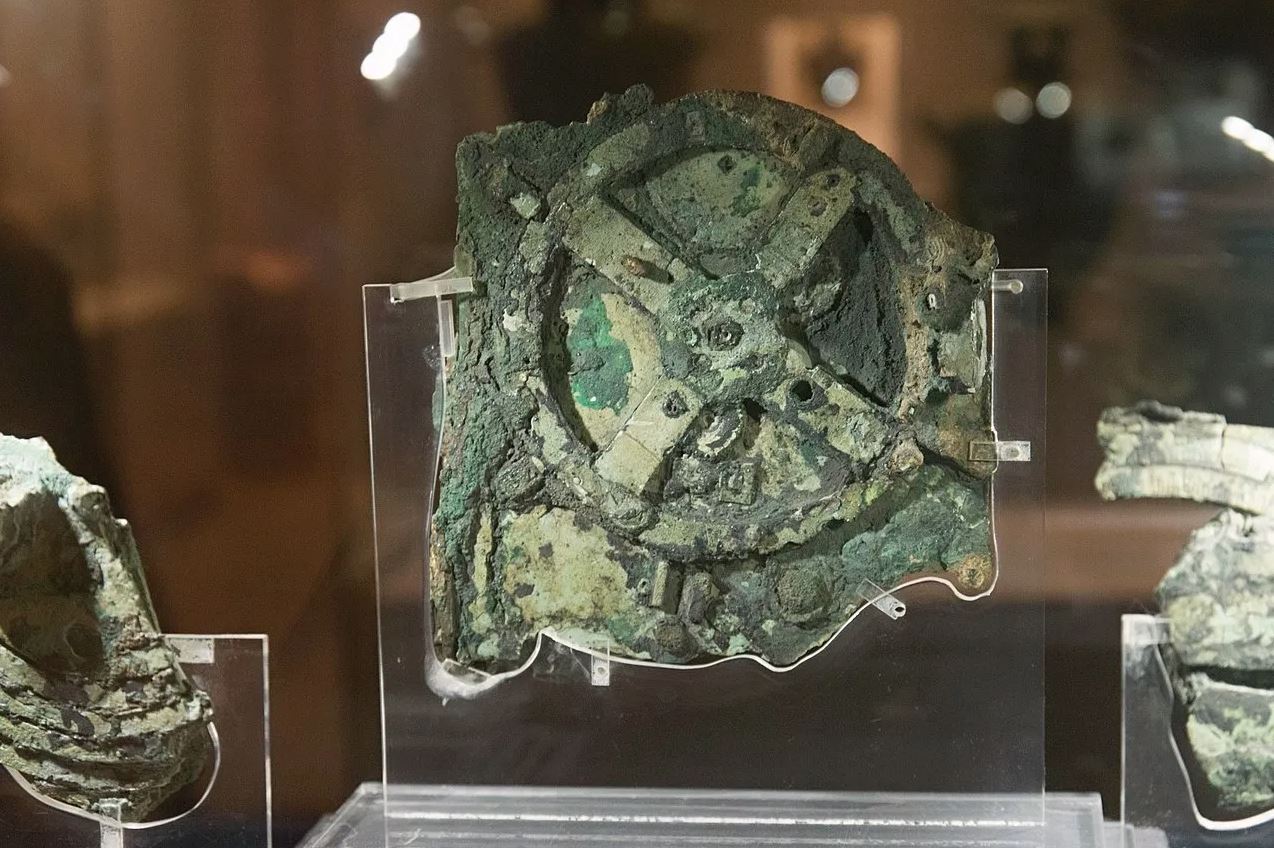
Complex devices did not arrive from nothing. They matured where artisans compared notes at docks and in bazaars, where failure could be discussed without shame and where success could be copied without resentment. Geared calendars lived in wooden boxes. Water clocks regulated flow with floating valves and tipped buckets. Automata poured wine or moved a finger when heat raised steam through a reed that whistled once the bowl grew hot. Engineers built fountains that sang, lamps that quenched themselves, and locks that mocked clumsy keys with hidden wards. In workshops for siege and survey, cranks converted pull into rotation, and cams sculpted motion into rhythms that pushed, lifted, and paused. Bearings learned to drink oil rather than grind dry. Toothed wheels spread power from a humble handle through lantern pinions to millstones that roared like tame thunder. Coders among scribes invented substitution lists to guard messages. Merchants used tally sticks that split down the grain so that two parties could verify a deal by joining halves. Library keepers marked scrolls with labels so that thought could be found again. Each trick preserved time, which is the most precious fuel any technology consumes. A device that remembers how to move saves its maker from teaching it again. A record that remembers how to build saves the next crew from error. This is the heart of machinery and of writing alike. Both are crystallized experience that waits for a hand to wake it.
Legacies written in gear and grain
Ancient technology is often treated as prologue, yet it stands as a complete conversation between need and insight. Fields, quarries, kilns, mills, forges, looms, hulls, and observatories formed a web where thought became practice and where practice revised thought in return. The web endured because it respected materials and because it welcomed correction when work failed. The stone blade taught patience. The pot taught storage. The roof tile taught repetition. The plank taught balance. The furnace taught trade. The wheel taught rhythm. The canal taught care for distance. The star taught measure. These lessons still guide makers who think with hands and with tools. Materials remain honest. Clay still cracks if rushed. Timber still moves with the seasons. Water still obeys slope and wind still toys with pride. The difference is scale, not principle. When we map a circuit or program a control, we repeat the old pledge to turn memory into power without wasting either. When we design a city that walks with river rather than against it, we honor millers who tuned gates to flood and to drought. When we share plans and repair guides in open circles, we echo the harbor where smiths traded methods over bread. The past is not a museum of clever artifacts. It is a school that never dismisses class. What we inherit are not relics but relationships, between mind and matter, between people and place, between promise and proof. To study ancient technology is to learn how to build with humility, to measure with kindness, and to keep the engine of civilization aligned with the earth that bears it.