

Fireside Rivers and the Memory of Voices
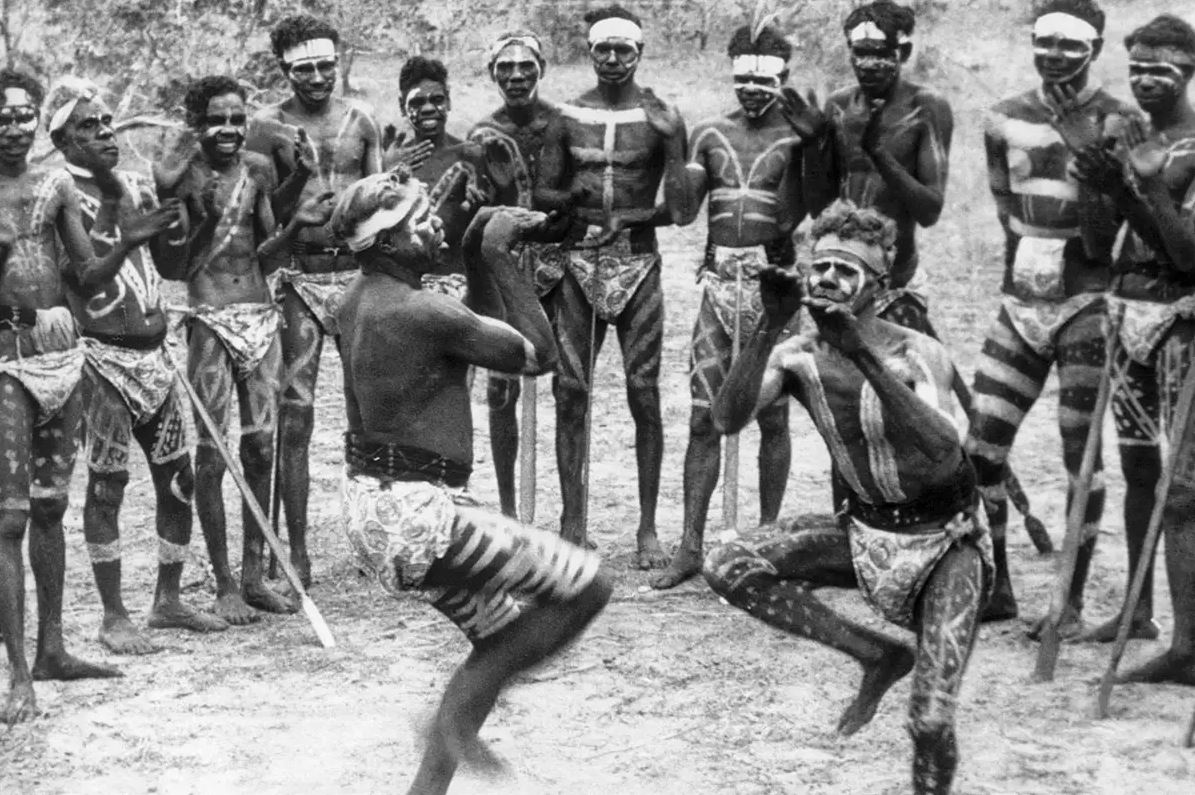
Why spoken knowledge travels across centuries, carries law and laughter, and keeps communities whole when paper fails
Breath as archive and cadence as map
Stories do not live in ink first, they live in breath that rides rhythm. When tellers pace a tale they braid meter with meaning so memory has handholds. Repetition teaches the road back to a line if the tongue slips. Formulaic openings steady the room, and closing formulas let listeners exhale together when danger passes. Gesture guides recall because the hand learns cues just as surely as the mouth. Listeners work too. They hum, nod, and echo key phrases so the teller hears when the path is clear or when a turn needs light. Call and response keeps the thread tight. The chorus becomes a shared rope that can be pulled through darkness without panic. Even silence does labor. A pause after a difficult image gives the group time to absorb grief and to prepare for the next step. By these techniques breath becomes archive. A village can hold law codes, planting calendars, and epics about distant ancestors without a single mark on bark or clay. Because breath must be renewed, tradition invites rehearsal. Children play at telling while sweeping and stirring. Elders correct with a raised eyebrow more than a scold. Over time the room learns the story. Rafters hear the same beats each season and seem to answer with small creaks when the hero reaches a cliff. Accuracy and improvisation are not rivals. Fixed lines anchor truth. Variable lines let truth land softly in a new year. Voice acts as compass and cloak, pointing the way while sheltering the listeners who travel together under its warmth.
Names, lineages, and the grammar of belonging
Oral tradition gives names the weight of bridges. A genealogy recited at dawn can knit guests to hosts by threading their ancestors like beads in a single strand. Each name repeats obligations and rights. People hear who may draw water from which spring, who owns a song, and who must answer when horn or drum calls the valley to work. Praised elders are not only praised for age. They are praised for accurate recall and for fairness when a stray tale could wound a neighbor. Lineages also carry place. A clan may take its title from a bend in the river or from a grove that fed children during a lean year, so to speak the name is to acknowledge land as kin. Marriage speeches weave the strands in public so there is no doubt about promises. When disputes arise, memory becomes court. Witnesses repeat verbatim pledges spoken during earlier gatherings, and the room weighs consistency like gold. Even jokes protect law, since satire pricks pride and keeps leaders within bounds that honor the group. Clothing can echo these lines through colors and motifs restricted to families, yet it is the spoken word that grants permission to wear them. Travelers learn to walk with such grammars by listening before boasting. They begin visits with inquiries about teachers and songs so they do not step on a line that should be sung only by certain mouths. Across generations, belonging remains something that must be recited, not just felt, because recitation binds the present to the witnessed past, and the binding turns strangers into guests and guests into future kin.
Ritual speech and the work of seasons
Many duties require words spoken in forms older than any living mouth. Seed enters soil after invocations that follow the order of planting. The first lifted jar at a wedding receives lines that were lifted long before the jar itself existed. Elders keep these forms as tools and as oaths. Their force comes from repetition that stitches the present to earlier attempts. Good years and lean years alike are knotted into the same cord so courage keeps its feet when clouds hesitate. Ritual speech also trains time. Markets open after the third stanza, not before, which curbs greed with a pleasant tether. During mourning, laments measure breath so grief does not drown the voice that must still feed children. Art and labor meet in these utterances. A fisher chants while mending net, matching knot to syllable so fixes hold. A mason names each stone with a blessing that makes heavy work dignified. Ritual also protects knowledge that might otherwise scatter. A recipe becomes a song, a boundary becomes a proverb, a safety practice becomes a call that no one ignores even when rain hammers the roof. Because ritual speech belongs to everyone, it can also be reformed by consensus. When a new field is opened, a new couplet is added. When a harmful line is recognized, a careful substitute enters with discussion and trial. In this way tradition remains a living workshop. People remain authors without losing reverence for what their grandparents guarded with loving attention.
Landscape in story and the art of wayfinding
Maps can be sung. Paths can be remembered by the order of birds at a ford, by the color of lichens on a north face, and by the taste of a spring that carries copper after rain. Oral tradition stores such cues as plot points. A tale steps from rock to rock along a river, naming a whirlpool as a greedy uncle and a fork as two feuding sisters who must be honored with a gift of time. The listener who laughs at this family learns that the river demands caution where the current splits. In deserts, songs carry distances in the number of breaths between dunes and in the way stars seem to lean over certain ridges. Coastal people speak of reefs as sleeping animals that accept respectful passage only when greeted by name. When storms erase a landmark, the story adapts without losing spine. A new verse remembers a fallen tree and tells how to read the hollow it left. Travel by narrative builds empathy as well as accuracy. Guides become characters, not machines, so gratitude fits naturally inside direction. To call a channel a mouth is to remember that tide both eats and gives. To call a hill a shoulder is to recall the shelter it once offered during a cold night. The method holds in cities too. A commuter who repeats a route can sing advice to a newcomer using landmarks that breathe rather than coordinates that stare from a page.
Performance, authority, and the politics of listening
Authority in oral cultures depends on trust that is tested in public. A teller who rushes a proverb to flatter a patron loses face faster than a scribe who miscopies a line. Performance acts as audit. Audiences know the anchor beats and they signal approval with breath and murmured phrases. Hesitation where firmness belongs draws a frown. Mercy where mockery once stood earns a nod when times demand gentleness. Because all of this unfolds in shared space, oral tradition teaches civic habits. People learn to wait their turn, to take correction, and to read the mood of the room before choosing a version of a tale. The role of witness becomes sacred. A child who remembers a missing verse can save an agreement from confusion. A visitor who repeats a warning heard elsewhere can prevent a flood of rumor. Power therefore circulates. It sits with elders, with skilled singers, with sharp listeners, and with youngsters who notice when the drum is out of tune. Gender and age negotiate ground through repertoire rather than through decree. One group carries funeral chants, another leads planting songs, another holds comic pieces that relieve tension without cruelty. When an outsider records such performances, ethics must lead technique. Consent, credit, and context keep living art from being pinned like a butterfly. The best recordings return to the circle with copies and with thanks so that future nights hear themselves again.
Memory arts, meters, and the science of recall
Oral traditions invented memory machines long before laboratories studied recall. Alliteration anchors lines so initial sounds guide the tongue toward the next phrase. Internal rhyme stacks words into ladders that the mind climbs without strain. Enumerations promise closure, three trials for a hero, five gifts for a guest, seven herbs for a healing tea. Parallelism balances meaning so ideas arrive like paired footprints. Melody and rhythm push information into muscle memory, and gesture turns that melody into sculpture. A raised palm marks a turn. A lowered head signals truth. A lean toward the door warns that a journey is coming. Objects become prompts. A string of beads marks chapters by color and texture. A basket of seeds cues a recipe. A staff carved with notches holds a calendar. Place also works as device. Lessons are taught while walking a path so corners carry content. Later, when a learner turns that same corner, the needed rule rises like a friend. Modern educators borrow these arts when they teach with song, circle, and field walk. The secret is not exotic. It is the body. When learning engages breath, hand, and foot, the mind keeps faith because the whole person was invited to the feast.
Change, media, and the resilience of voice
New tools arrive without silence when communities choose wisely. Writing joined speech and turned some streams into lakes where stories could rest. Print widened reach, then radio and recordings lent stamina to voices that would have faded with breath alone. Phones and networks let grandchildren hear a grandparent who lives far away. Each medium shifts authority. A printed proverb can look colder than a spoken one, yet it travels safely during plague or war. A recording can cross mountains, yet it cannot answer a question. Communities invent hybrids. A festival may require that a chant be learned from a book, then rehearsed in a circle where elders tune vowels and pace. A local station may broadcast a call and response service so homebound neighbors can join. Digital archives can carry warnings that restrict ceremonial pieces to members who hold the right to hear them. Curation is an art. Titles must include place and season. Captions must name teachers. Notes must record which lines float and which remain fixed by covenant. When this care is taken, change becomes an ally rather than a thief. Young performers test new jokes on old structures. Scientists trade findings with storytellers in ways that enrich both. The result is resilience. Voice keeps authority by standing in rooms, and media keep reach by traveling between them.
What a spoken story asks of tomorrow
Oral tradition makes a simple request. Give it time and witnesses. Keep the circle open for the shy and the young. Pay the teller with fair coin and with care for the ground where words are planted. Teach breath control beside reading, teach listening beside debate, and teach repair beside critique so a clumsy student returns brave instead of silent. Build archives that honor consent and context. Note who owns a song, who may teach it, and where it must not be played. Pair devices with elders, pair transcripts with return visits, and pair public sharing with quiet rooms where grief can safely speak. Cities can help by funding commons where stories are told near gardens and kitchens so scent joins memory. Schools can schedule dusk assemblies when light invites calm. Libraries can lend microphones along with books and offer help for newcomers without erasing sound. Researchers can promise to bring copies back before they publish. Families can keep small traditions like table blessings and bedtime tales so children learn that language is also home. If we do these things we will not only save artifacts of speech. We will grow citizens who practice patience and recall, who consider counter stories before anger, and who can sit together after loss until a better sentence finds the room. That is the oldest skill, to shape breath into courage that others can borrow, then to pass the flame and rest while the next voice rises today.