

Kinship Maps and the House of Many Fires
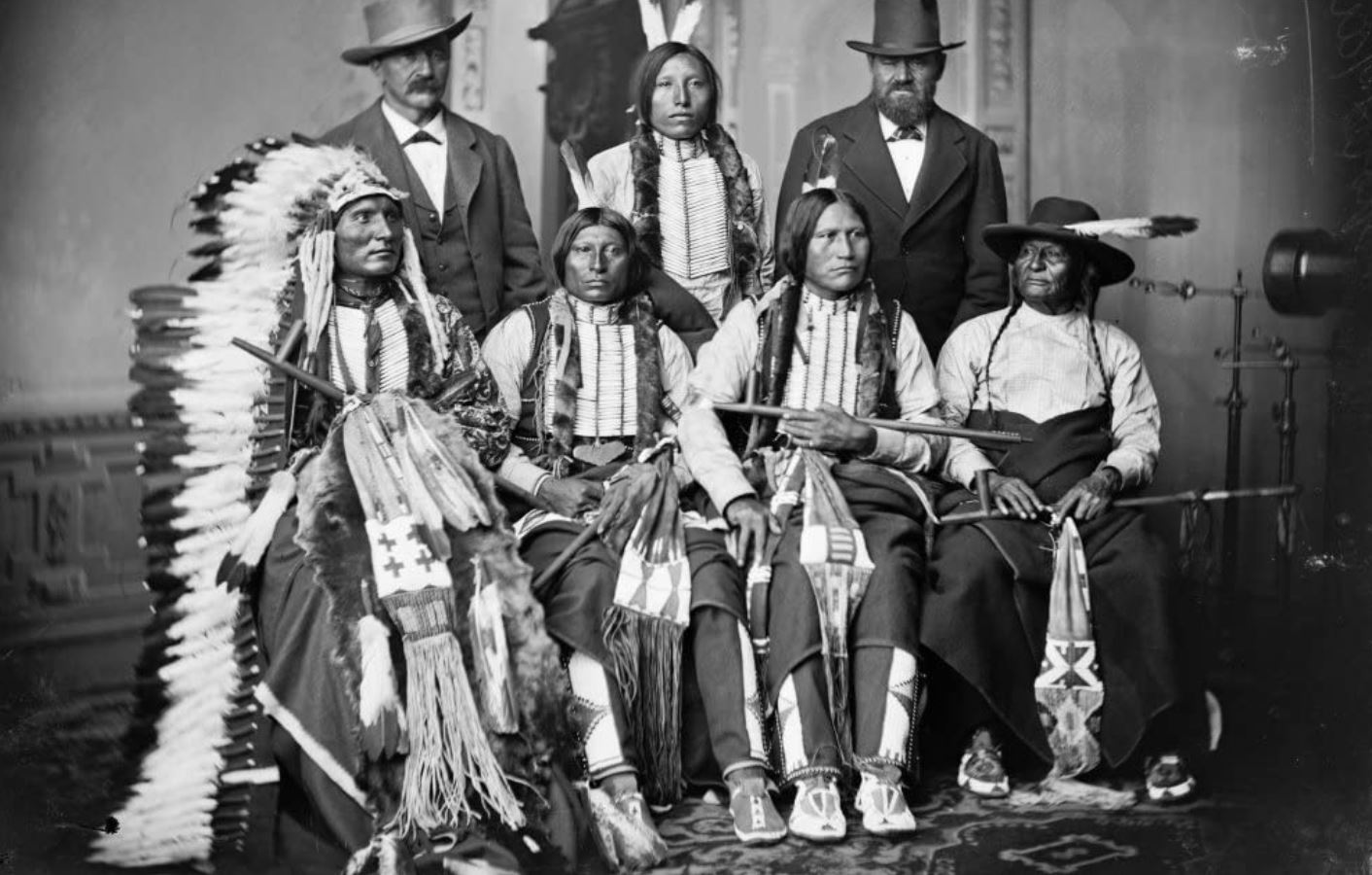
Small communities balance power, memory, and movement to survive across changing lands
Names that bind and paths that cross
Tribal organization is not a frozen image, it is a living method that keeps people together while rivers shift course, herds wander, and neighbors change. Membership begins with names, and names are more than labels. A clan title can hold a landscape in a phrase, a river bend, a valley wind, a hawk that circled during a rescue, a fruit that saved a winter. Descent rules shape the web. Some lines travel through mothers, others through fathers, and many communities track both at once to preserve balance across houses. These systems decide whose hut sits where, who inherits a fishing net, which child carries a grandparent’s story, and who has the duty to repair a path. Marriage patterns widen the web. People marry out to avoid quarrels that gather when close kin stay too close, then marry in again to renew trust with a distant cousin group that once shared a famine and survived. Fictive kinship extends the circle without blood. A sworn brother or a milk sister can cross valleys where strangers would stall at the first gate. Adoption heals household gaps while honoring memory of the ones who came before. Every rule of kinship is a tool for prediction. It tells who will show up when a roof must rise in a storm week, who will sit beside a patient during a fevered night, and who will speak if a traveler arrives at dusk with a cart that lists toward the ditch.
Hearth rules and the circle of counsel
The hearth is school, storehouse, and quiet court. At dawn an elder assigns tasks with a voice that values brevity more than ornament. Water carriers leave with jars and return with news about a fallen tree that blocks the upper path. Children grind grain, learn posture that will protect their backs, and hear a tale that hides instruction about snakes near shaded wells and the polite way to greet a stranger. Midday is for small disputes, a goat that pushed a fence, a promise of help that arrived late, a boundary stone nudged by rain. The evening brings the circle of counsel. Anyone may speak, yet speaking requires restraint. Listeners keep stillness as a gift to the one holding the staff. The staff passes clockwise so memory can count turns. Food and tobacco steady tempers, and pauses carry as much weight as words. Most decisions seek unanimity because a minority that feels pressed will work half hearted tomorrow. Urgent matters allow a clear majority, yet the next morning starts with a second review that invites face saving revisions. The circle also guards the future. Elders record agreements as story so children will repeat them with the same rhythm months later. The young are not silent, they ask questions that test custom against present weather, and the circle thanks them for bringing a new reading of an old line. In this way counsel becomes a habit of listening rather than a contest of noise.
Work parties gift exchange and the quiet ledger of trust
A village thrives by turning work into relationship. Work parties appear without summons when a roof bends under snow or when a widow must pull a late harvest before frost. Participation is remembered in a quiet ledger that lives in heads and hearts rather than in a chest of coins. Today six workers help in my field. Another season I will arrive at your fence with more than that because your need is larger. Payment for the day is stew, song, and a place near the fire, and the real payment arrives when my own hour of need meets ready hands. Gift exchange guides distance. A woven belt travels up valley as a greeting, salt travels down valley in reply, and both carry messages that warm the next meeting at the ford. Bride gifts, funeral gifts, and first hunt gifts signal the same rule. Giving first is a pledge, not a display. People remember who begins generosity with calm confidence, and prestige grows in that grove. Market days extend the ledger. A basket of fruit sells for copper at noon, yet the merchant also sets aside bruised fruit for the infirm who cannot walk the lane. The copper matters, but the lane that remembers kindness will draw more feet next moon. The result is a network that does not require a sheriff at every corner. Memory does the counting. Music does the binding. Food does the teaching that prosperity tastes better when shared before it is hoarded.
Guardians guides and the many shapes of leadership
Leadership is a task more than a throne. It changes with the day, the weather, and the kind of risk closer than the horizon. A tracker leads a hunt because her eyes read ground like a page other people cannot see. A midwife leads during birth because her hands carry a calm tempo that steadies the room. A speaker leads at council because the village trusts his balance between caution and courage. A ritual specialist leads during planting because the order of song steadies sweaty work into one cadence. None of them rule every day. Authority spreads across roles so that a failure in one task does not break the whole. Prestige grows from generosity. A rich herder gains honor by lending animals for a neighbor’s ceremony, not by counting his herd in public. A scout loses face if he eats before the team after a hard march. A speaker grows quiet when a younger woman brings a better reading of new tracks. In this pattern leadership becomes light and strong at once. It is light because it can be set down and picked up without tears. It is strong because many hands carry it, and no single error can tear it apart. Outsiders may mistake such leadership for softness. It is better read as braided rope. The strands bend, then draw tight when strain arrives, and the rope holds because it was woven for that very hour.
Law without walls and the art of mending conflict
Law in small communities is light on parchment and heavy on memory. It lives as proverb, tale, and song that carry precedent in rhythms even tired mouths can repeat. A story about a hunter who cut a snare without asking becomes a case that decides a modern quarrel about borrowed tools. A song about a careless fire walks through every dry month as a guard. When neighbors collide, judgment seeks repair more than victory. Mediators begin with food, then listen for overlap between accounts, then propose a trade of apology, labor, and goods that makes both households feel heard. If a goat destroys a garden, the owner pays with meat and with help rebuilding the fence, then loans a kid for a season so the harmed family can reclaim pride through stewardship. If tempers rise, elders move the talk to a new place, a shady grove or an open court, because air and space help anger fall. Chronic harm meets sharper tools, a public warning, a formal exile that tells a larger boundary to watch for the offender, or a ritual of return that requires difficult service before forgiveness settles. The final step in every case is commensality, a shared bowl, because chewing side by side signals that the quarrel is now a lesson, not a wound. In this way law becomes the craft of weaving that catches tears and remakes cloth instead of tearing the garment for the sake of spectacle.
Territory seasons and the choreography of movement
Territory in tribal life is less a fence than a memory of paths that change with water, grass, and wind. Camps cluster near rivers in dry months, climb toward forest shade when insects rise, and tuck under lee slopes when winter storms arrive earlier than expected. Waypoints become kin with names that travel in song. A red boulder remembers a spring behind thorn trees. A notch in a ridge signals the descent toward a salt lick that gathers antelope. Each verse holds a bearing and a distance, and children can sing their way home long before they can draw a map. The year divides into work seasons that match plants and animals. A brief blaze of flowers marks the moment to collect fibers for cordage. The first call of a migrant bird reminds fishers to mend nets. A burst of dry wind from the west tells herders to move toward night pastures where dew will fatten grass. Trade routes respect this dance. Some markets spin where two seasonal roads cross for only a week. Others sit near year round springs and still swell during harvest moons. Boundaries are described to guests with time words as well as place words. You may walk where our people walked yesterday, and you must turn where our grandmothers turned when the hawks begin to pair. A respectful traveler repeats these lines back, and the host smiles because the song now holds two voices.
Ritual craft and the teaching of identity
Identity is not a speech, it is a daily practice stored in hands, feet, tongue, and ear. Children learn to twist cord, to set snares that spare the wrong animals, to prepare resin for a seal that keeps smoke in a hut during cold rain. A rite of first arrow teaches patience without using that word because the child must wait with steady shoulders until a target comes to range. A dance of greeting teaches how to match another person’s pace, which later becomes the skill to negotiate without insult. Masks and painted cloth invite actors to borrow a grandparent’s voice so the young can meet a past that is alive. Craft teaches truth about limits and pride. A pot that cracks after poor tempering becomes the day’s lesson about haste. A basket that holds water after a sap bath wins applause because it shows care under pressure. Songs and patterns move with marriage, carrying marks of one valley into another where new children will watch and learn. Ritual seasons tie identity to place with kindness. A grove gathers children for praise of rain the week before clouds form, the point is to remember gratitude before a gift arrives. A fast cleans a quarrel out of a breath before a meeting. None of this is ornamental. The curriculum keeps the group legible to itself. It trains attention, it rewards steadiness, and it shows that belonging is the longest craft a person will ever learn.
Braids of belonging in a restless world
Across valleys and coasts, across tundra and savanna, tribal organization keeps revealing the same sturdy keys. Share leadership across tasks so that one mistake cannot break the whole. Make counsel slow enough that shy wisdom can find the floor. Treat wealth as a tool for hospitality, not as a wall. Record promises in stories that travel with children, and mark boundaries with time as well as place. Move when the land asks, return with thanks, and name the waypoints so that the next child can sing them without fear. Teach identity through work, through song, through quiet bravery, and through repair after failure. Keep law as a loom that mends, not as a hammer that only divides. Make markets that feel like reunions, and make feasts where strangers leave as guests. When storms change the map, lean on the ledger of trust built by years of mutual labor. When peace feels heavy with sleep, invite questions from the young so custom wakes before it stiffens. The house of many fires endures because it is not one fire asked to do all the warming. It is kinship and memory braided with movement, a set of patient agreements that allow small communities to remain human while the world refuses to sit still. In that braid rests a lesson for any city. Belonging is a discipline, not a charm, and those who practice it together become a people that can cross hard seasons with their dignity intact.